
Deer Mice
Small, agile rodents known for their large ears and white underbellies, deer mice are the primary carriers of Hantavirus in Colorado.
Identification and Biology
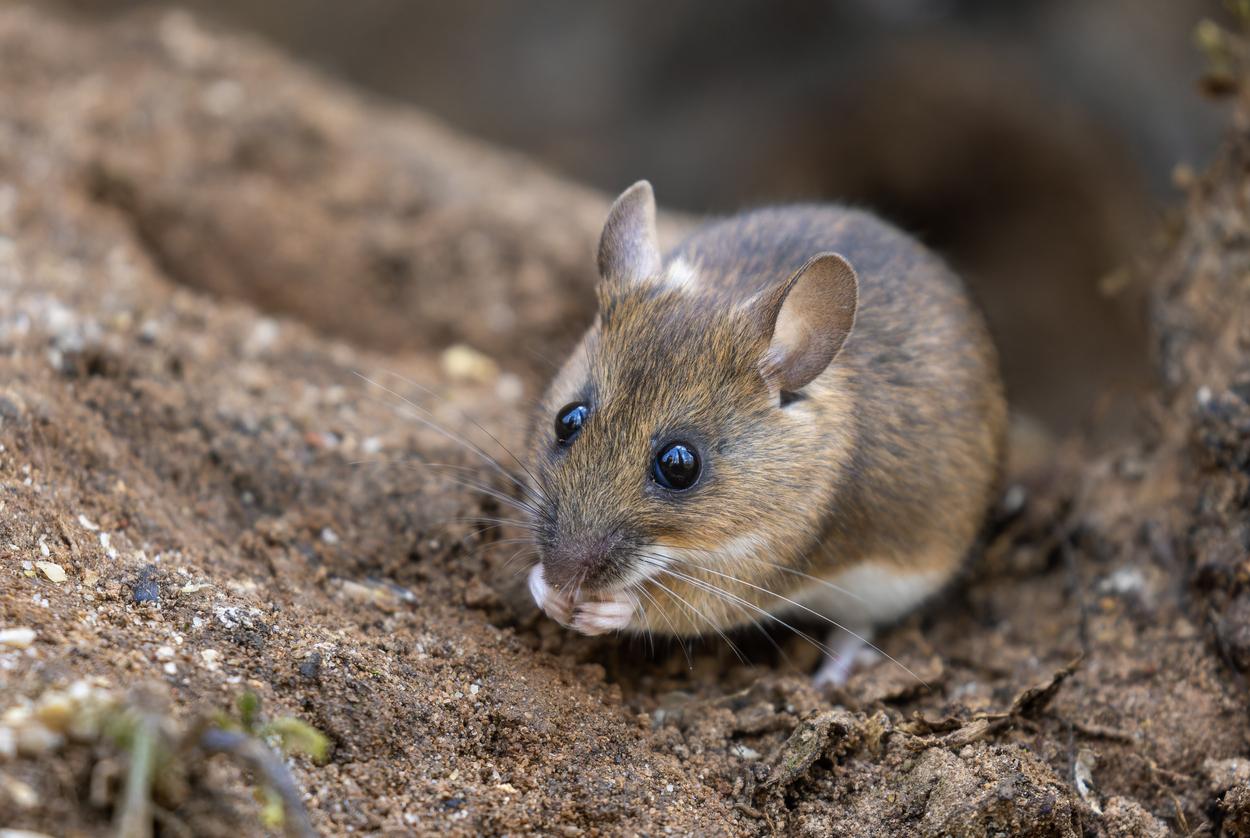
Deer mice (Peromyscus maniculatus) are distinct from the common house mouse. They are typically 5 to 7 inches long, including a tail that is about half their total length. Their most recognizable features are their large, bulging eyes, exceptionally large ears, and a bi-colored body—rich brown or gray on top with a starkly white underbelly and feet. They are agile climbers and primarily nocturnal, which is why homeowners often hear them scratching in walls or attics at night.
Nesting and Behavior
In our townhouse community, deer mice often seek shelter indoors as temperatures drop in the fall. They are opportunistic nesters, using soft materials like attic insulation, shredded paper, or fabric to build small, ball-shaped nests in quiet, dark areas—crawl spaces, wall voids, and behind large appliances are favorites. Unlike house mice, deer mice are notorious for "caching" or stockpiling food; you might find piles of birdseed, pet food, or acorns hidden in boots, drawers, or wall cavities.
The Risk: Hantavirus
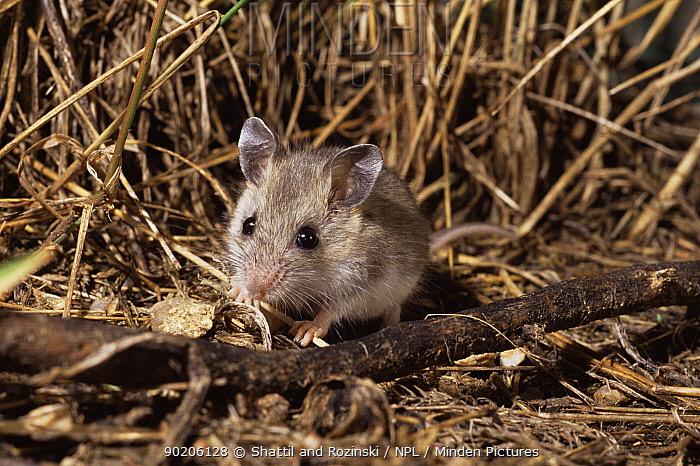
The most significant concern with deer mice is Hantavirus Pulmonary Syndrome (HPS), a rare but very serious respiratory disease. The virus is shed in the urine, droppings, and saliva of infected mice. Humans can become infected by breathing in "aerosolized" virus particles—this happens most often when dried droppings or nesting materials are disturbed during cleaning. Because of this, it is critical to never sweep or vacuum mouse-infested areas, as this sends the virus into the air.
Mitigation and Safe Cleaning
Protecting your home involves both prevention and careful removal:
1. Exclusion: Deer mice can squeeze through a hole the size of a dime. Use steel wool and caulk to seal gaps around utility pipes, vents, and foundation cracks. Check that door sweeps and garage door seals are intact.
2. Trapping: Use standard snap traps placed along walls where activity is seen. Peanut butter is an excellent bait. Avoid using poison baits inside, as mice may die in inaccessible walls, creating odor and secondary pest issues.
3. Safe Cleanup: If you find droppings or a nest, do not sweep or vacuum. Instead, spray the area with a disinfectant or a 1:10 bleach-water solution. Let it soak for 5 minutes to kill any virus, then use paper towels and gloves to wipe it up. Double-bag all materials and dispose of them in an outdoor trash bin.