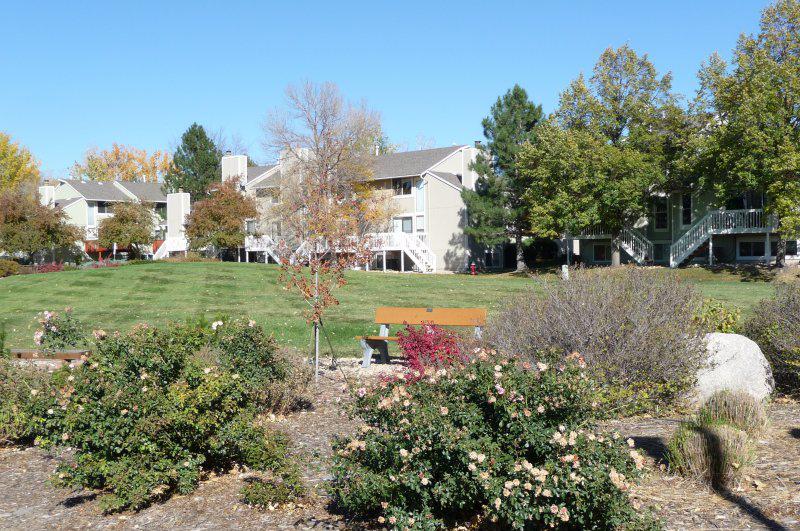
Northern Flickers
Large, strikingly colored woodpeckers that are common in our neighborhood. While beautiful, they can cause significant damage to wood siding.
Identification and Biology
The Northern Flicker (Colaptes auratus) is a large member of the woodpecker family. They are brownish-gray with black scalloping on their back and wings, a prominent black "bib" on their chest, and a belly covered in black spots. In flight, they reveal a flash of brilliant color under their wings—yellow in the eastern "Yellow-shafted" form and salmon-red in our western "Red-shafted" variety. One of their most unique biological features is their tongue, which is remarkably long and barbed, allowing them to reach deep into crevices to extract their favorite food: ants.
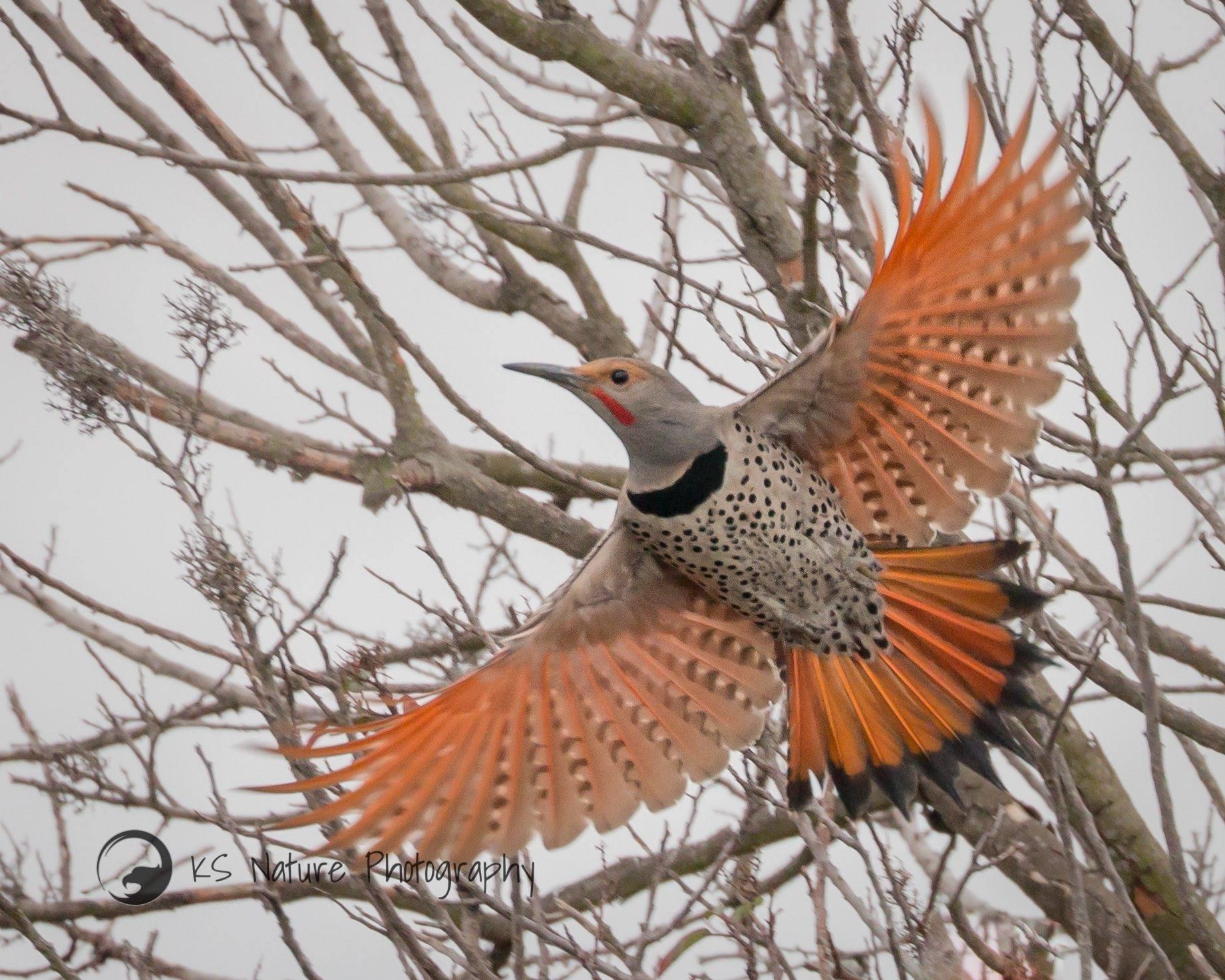
Northern Flicker in flight showing its colorful underwings
Ground-Foraging Woodpeckers
Unlike many other woodpeckers that spend most of their time drilling into trees, flickers are frequently seen on the ground. They are specialized ant hunters, and it is estimated that ants make up nearly 45% of their total diet—more than any other North American bird. They use their slightly curved beaks to dig into soil and ant hills, and their saliva is uniquely sticky to help them "trap" hundreds of insects at once.
Because of this behavior, they are often mistaken for thrushes or other ground-dwelling birds. However, they have a "tell" that is unmistakable: when they are startled and fly up from the grass, they reveal a bright white rump patch at the base of their tail. If you see a large bird hopping across your lawn and probing the grass, it is a flicker providing you with free, natural pest control!
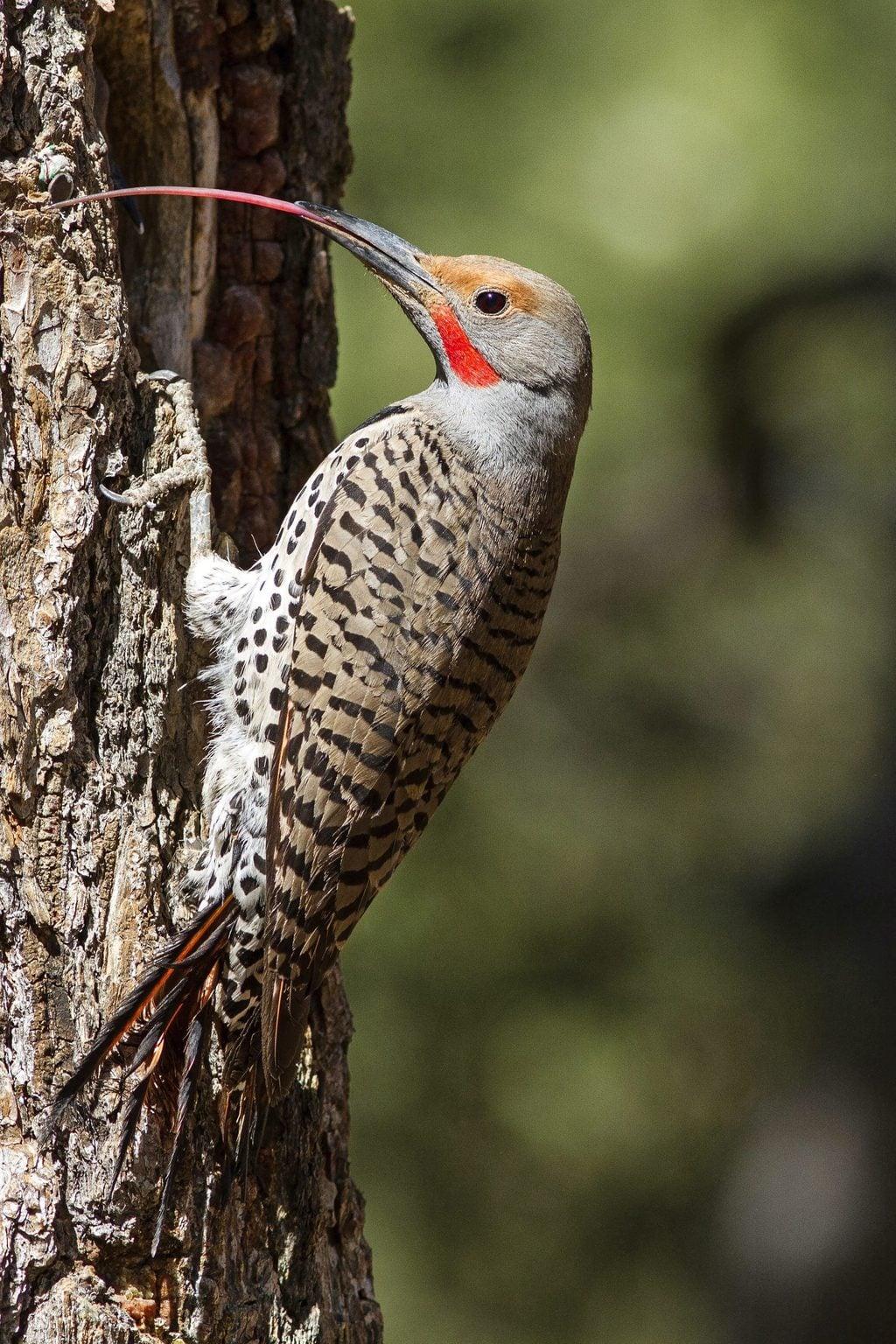
Close up of a Northern Flicker showing its long, specialized tongue
Drumming vs. Drilling
Flickers interact with our homes in two main ways:
1. Drumming: This is a territorial behavior where the bird hammers rapidly on a resonant surface (like a metal chimney cap, gutter, or wood siding) to attract a mate or warn off rivals. While loud and annoying, drumming usually doesn't cause structural damage.
2. Drilling: This is where the damage occurs. Flickers may drill holes into wood siding searching for larvae or attempting to create a nesting cavity. Because our townhomes often feature wood or composite siding, they are particularly vulnerable to this behavior.
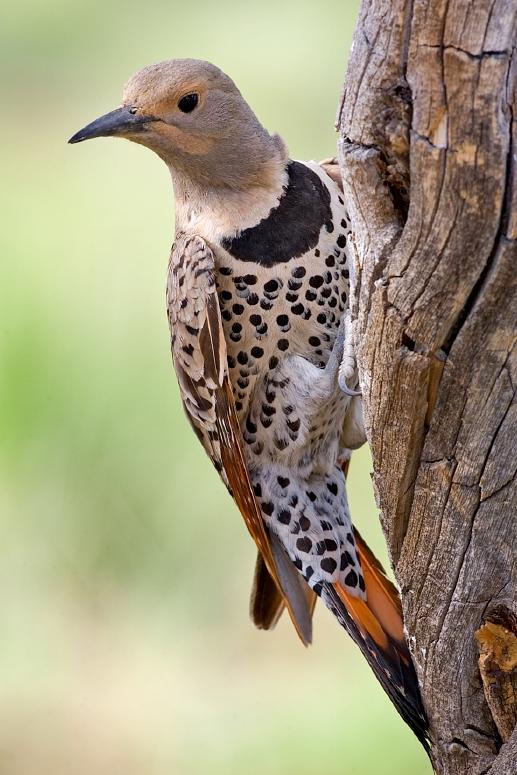
Northern Flicker perched on a tree trunk
Legal Protection
It is important to remember that Northern Flickers are federally protected under the Migratory Bird Treaty Act. This means it is illegal to kill them, capture them, or remove their nests while they contain eggs or young. All mitigation efforts must be non-lethal and focused on deterrence.
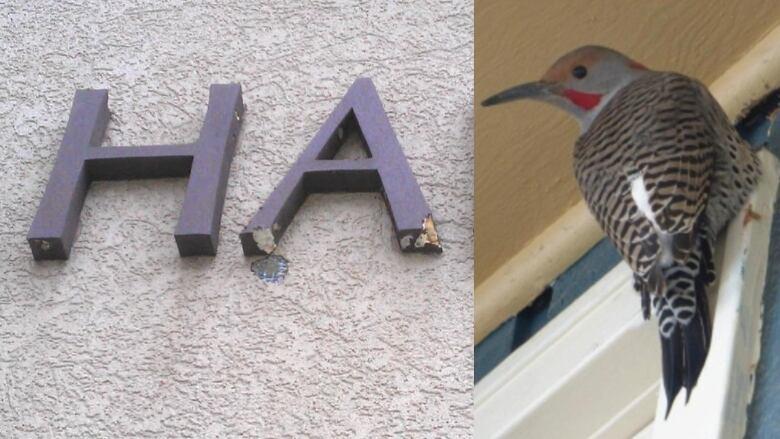
Damage caused by a Northern Flicker
Humane Mitigation Strategies
Since we cannot harm the birds, we must make our homes less attractive nesting or drumming sites:
1. Visual Deterrents: Hang "flash tape" (reflective Mylar tape) or old CDs near the area of activity. The bright, moving reflections often scare the birds away. Mirror-like reflective "eye" balloons can also be effective.
2. Physical Barriers: For persistent drillers, installing bird netting over the affected area is the most effective solution. Ensure the netting is taut and at least 3 inches away from the siding so the bird cannot reach through it.
3. Quick Repairs: If a hole is started, repair it immediately. A partial hole is an invitation to other flickers (or other pests like squirrels and hornets) to move in. Fill holes with wood putty and paint over them as soon as possible.
4. Suet Feeders: Sometimes, providing a high-quality suet feeder away from the house can satisfy their foraging needs and keep them away from your siding.